

Why does core strength matter for spinal health?
Core strength helps the body support the spine during standing, walking, lifting, reaching, and everyday movement. A well-functioning core does not simply mean visible abdominal muscles. It includes the deeper muscles of the abdomen, back, pelvis, hips, and diaphragm that work together to control posture and movement.
The spine is designed to move, but it also needs support. Core muscles help distribute physical demands across the trunk rather than allowing the lower back, neck, or hip muscles to handle more work than they can comfortably manage. Better muscular coordination may reduce unnecessary strain and improve confidence during routine activities.
Core strength cannot prevent every episode of back pain, and weakness is not the only possible cause of spinal discomfort. Joint irritation, nerve sensitivity, injury, arthritis, sleep habits, stress, and prolonged inactivity can also contribute. Still, improving strength and control is often a useful part of maintaining spinal function.
What muscles make up the core?
The core is a group of muscles that stabilizes the trunk from several directions. Important contributors include:
- The abdominal muscles, which help control bending and rotation
- The muscles along the spine, which assist with upright posture and extension
- The diaphragm, which supports breathing and pressure control within the trunk
- The pelvic floor muscles, which work with the abdomen and diaphragm
- The gluteal and hip muscles, which help transfer force between the legs and torso
These muscles are most effective when they coordinate rather than operate in isolation. For example, lifting a laundry basket involves the legs, hips, abdomen, back, shoulders, and arms. If the hips and legs are not contributing adequately, the lower back may absorb more of the load.
Can weak core muscles cause back pain?
Weakness may contribute to back pain, but the relationship is more complex than a simple “weak core equals pain” explanation. Some people with strong muscles experience back pain, while some people with limited strength have no symptoms.
Problems can arise when the trunk lacks endurance or when muscles do not coordinate well during movement. A person may be able to hold a plank briefly but still struggle to maintain comfortable posture during a long commute, household chores, desk work, or repeated lifting. In that situation, endurance and movement control may matter more than maximum strength.
Pain can also cause protective muscle guarding. This may make the trunk feel stiff or weak even when the original issue is not a lack of fitness. Gradual, appropriately selected movement can help restore confidence, but exercises should not be forced through sharp, radiating, or worsening pain.
Which core exercises are generally appropriate for beginners?
For many adults, the safest starting point is controlled exercise that emphasizes breathing, alignment, and steady effort rather than speed or heavy resistance. Examples may include:
- Abdominal bracing while lying on the back with knees bent
- Heel slides performed slowly while maintaining a comfortable spine position
- Bird-dog movements from hands and knees
- Side-lying leg lifts to strengthen the hips
- Glute bridges with controlled lifting and lowering
- Modified planks using a wall, countertop, or knees
A beginner might start with five to ten repetitions or brief holds, depending on comfort and conditioning. The goal is to maintain smooth breathing and control. Shaking, breath-holding, sudden gripping, or compensatory movement may indicate that an exercise is too difficult or is being performed too quickly.
Core training should also include ordinary movement. Walking, climbing stairs, carrying manageable objects close to the body, and changing positions regularly all challenge the trunk in practical ways.
How can core strength help people who sit or work at home?
Extended sitting does not automatically damage the spine, but staying in one position for long periods can increase stiffness and fatigue. In Garden City, many residents balance desk work, commuting, household responsibilities, and seasonal outdoor tasks. The spine may tolerate these activities better when the body has regular opportunities to move and change position.
Helpful habits include:
- Standing or walking briefly after periods of sitting
- Keeping frequently used objects within easy reach
- Adjusting the chair and desk so the screen is near eye level
- Supporting the feet rather than allowing them to dangle
- Alternating sitting, standing, and movement instead of searching for one perfect posture
- Using the hips and knees during lifting rather than rounding only through the lower back
Posture is not a fixed position that must be maintained all day. A more realistic goal is to build enough strength and mobility to shift positions comfortably.
Does core training need to be intense to protect the spine?
No. Effective core training does not require exhausting workouts, heavy weights, or advanced gym equipment. The spine benefits from consistent exposure to manageable movement. A short routine performed regularly may be more useful than an occasional demanding session that leads to soreness or discouragement.
Intensity should match a person’s current abilities. Someone returning to activity after an injury, surgery, pregnancy, or a long period of inactivity may need a slower progression. Strength can be developed by increasing repetitions, hold times, resistance, range of motion, or movement complexity—but usually not all at once.
The best exercise is one that can be performed with control and repeated safely over time.
What common mistakes reduce the value of core exercises?
Several habits can make core exercises less effective or unnecessarily stressful:
- Holding the breath during exertion
- Pulling the abdomen inward forcefully throughout the entire exercise
- Arching or rounding the lower back to complete a repetition
- Progressing to difficult variations before mastering basic control
- Treating pain as a sign that the exercise is working
- Training the front of the body while neglecting the hips, back, and legs
- Exercising intensely while ignoring sleep, recovery, or changes in symptoms
Muscle fatigue can be normal. Sharp pain, new numbness, tingling, significant weakness, dizziness, or symptoms that travel into an arm or leg deserve more caution.
When should back pain be medically evaluated?
Most everyday back discomfort is not an emergency, but certain symptoms require prompt medical attention. Seek urgent evaluation for back pain accompanied by new loss of bladder or bowel control, numbness around the groin, severe or progressive leg weakness, major trauma, fever, unexplained weight loss, or a history of serious disease.
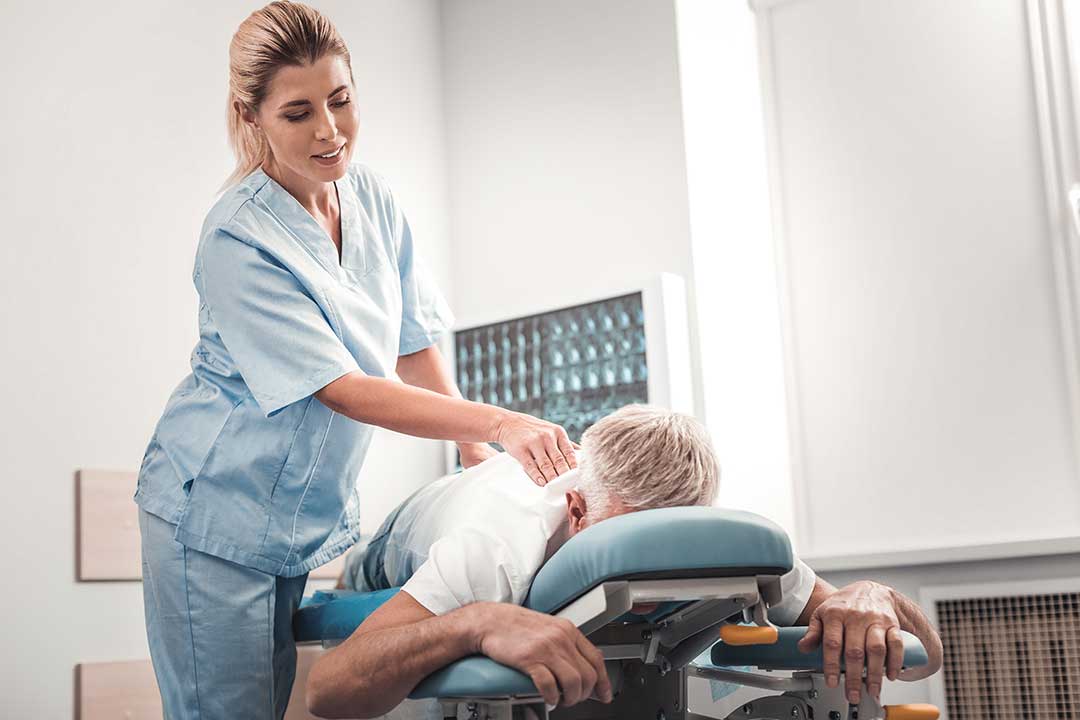
Persistent pain, recurring episodes, or difficulty returning to normal activities may also warrant assessment. A qualified healthcare professional can help determine whether exercise is appropriate, identify movement limitations, and explain how to progress safely. Chiropractic care, physical therapy, primary care, and other health services may each have a role depending on the person’s symptoms and medical history.
Core strength is best understood as part of overall spinal health—not a guarantee against pain and not a substitute for evaluation when warning signs are present. Regular movement, gradual strengthening, adequate recovery, and attention to changing symptoms provide a practical foundation for protecting everyday function.
