
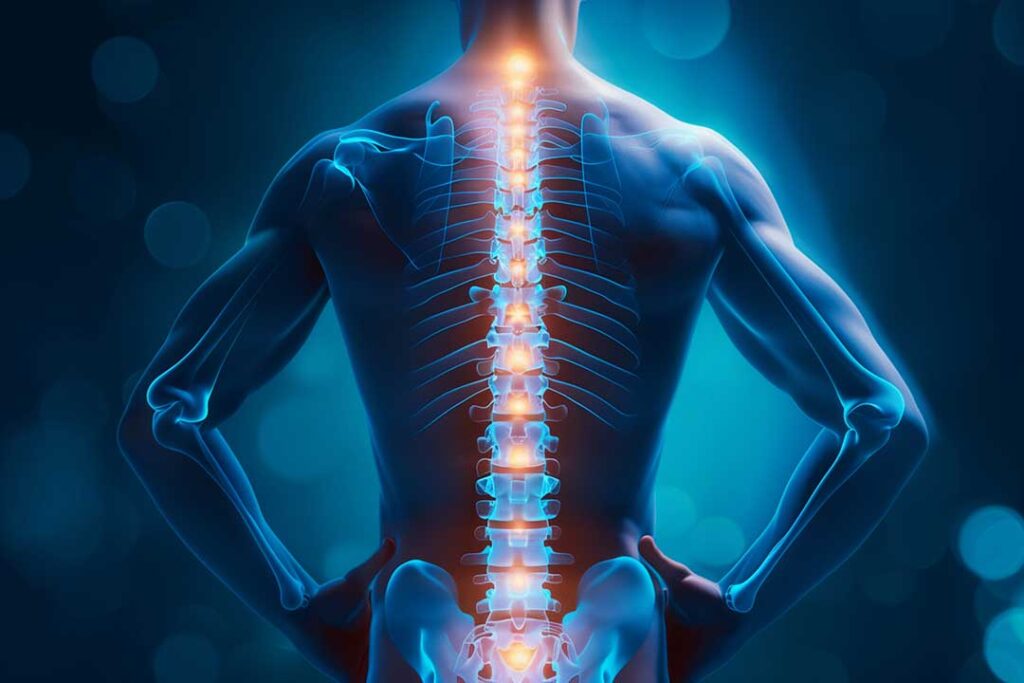
Neck clicking is common and often harmless, especially when it happens occasionally without pain or other symptoms. The sound may come from normal movement inside the neck joints, tendons or muscles—not necessarily from bones rubbing together.
For residents of Garden City, NY, clicking may be more noticeable after long periods at a computer, looking down at a phone, driving, exercising, or spending time in one position. The sound itself usually matters less than what accompanies it.
What causes a clicking or popping sound in the neck?
Several normal mechanical changes can create neck sounds.
Gas movement in a joint. Small joints in the neck contain fluid that helps them move smoothly. When joint surfaces shift or separate slightly, pressure changes can produce a pop or crack. This is similar to the sound people notice when other joints move.
Tendons or ligaments moving over bone. A tendon or ligament can shift as the neck turns, creating a snapping or clicking sensation. This may be more noticeable when the surrounding muscles are tight.
Joint stiffness. If the neck has been held still for a long time, the first few movements may produce popping or grinding sounds. Desk work, reading, phone use and long drives can all reduce movement variety and make stiffness more apparent. Poor posture and prolonged computer or smartphone use are recognized contributors to neck strain. ([mayoclinic.org](https://www.mayoclinic.org/diseases-conditions/neck-pain/symptoms-causes/syc-20375581?utm_source=openai))
Age-related joint changes. The small joints and discs in the cervical spine can gradually change over time. Wear-related changes may cause creaking, grinding or clicking, sometimes along with reduced motion or soreness. These changes do not automatically mean that serious arthritis or damage is present.
Previous strain or injury. A sports injury, fall, sudden jolt or collision can affect muscles, ligaments and joints. Clicking that begins after an injury deserves more attention, particularly if it is accompanied by pain, stiffness or restricted movement.
Is neck clicking without pain usually serious?
Occasional clicking without pain, weakness, numbness or loss of movement is usually not a sign of a serious problem. Many people notice sounds when rotating the head or looking over a shoulder, and the sound may vary from one day to the next.
Clicking does not automatically mean that a vertebra is “out of place,” that the neck is deteriorating, or that a disc is damaged. A sound alone cannot establish a diagnosis.
A different pattern is more meaningful: clicking that is becoming frequent, painful or associated with a feeling of instability. Repeatedly forcing the neck to crack may strain muscles, irritate a nerve or contribute to looseness in supporting tissues. Rarely, forceful neck movements have been associated with injury to a vertebral artery. ([health.clevelandclinic.org](https://health.clevelandclinic.org/is-it-safe-to-crack-your-neck?utm_source=openai))
Why does the neck click more after sitting or using a phone?
Holding the head in one position can increase the workload on the neck and upper-back muscles. Looking downward for extended periods may also make the muscles feel tight when the head is brought upright again.
In a Garden City household, this may occur during remote work, studying, gaming, reading, commuting or routine phone use. Seasonal indoor routines can also mean more time seated for long stretches. The issue is usually not one brief period of poor posture; it is the repeated combination of limited movement, muscle fatigue and awkward positioning.
Helpful adjustments include:
- Change position every 20 to 30 minutes when possible.
- Keep frequently used screens closer to eye level.
- Support the forearms during computer work.
- Take short walking or stretching breaks rather than waiting for stiffness to build.
- Turn the whole upper body when checking a blind spot instead of repeatedly straining the neck.
- Use gentle range-of-motion movements, staying within a comfortable range.
These steps may reduce stiffness, but they should not be used to push through sharp pain or neurological symptoms.
Can neck clicking be caused by arthritis or a pinched nerve?
It can be associated with joint wear or nerve irritation, but clicking alone does not prove either condition. Arthritis-related changes are more likely to cause a combination of stiffness, pain, reduced range of motion or symptoms that gradually become more noticeable.
A pinched or irritated nerve generally produces symptoms beyond a sound. These may include pain traveling into the shoulder or arm, tingling, numbness or weakness. Disc problems in the cervical spine can affect the neck, shoulder, arm or hand. ([mayoclinic.org](https://www.mayoclinic.org/diseases-conditions/herniated-disk/symptoms-causes/syc-20354095?utm_source=openai))
Muscle tension can also make normal joint sounds seem more prominent. Stress, fatigue and sustained concentration may increase muscle guarding around the neck and shoulders, changing how movement feels.
Should someone intentionally crack the neck?
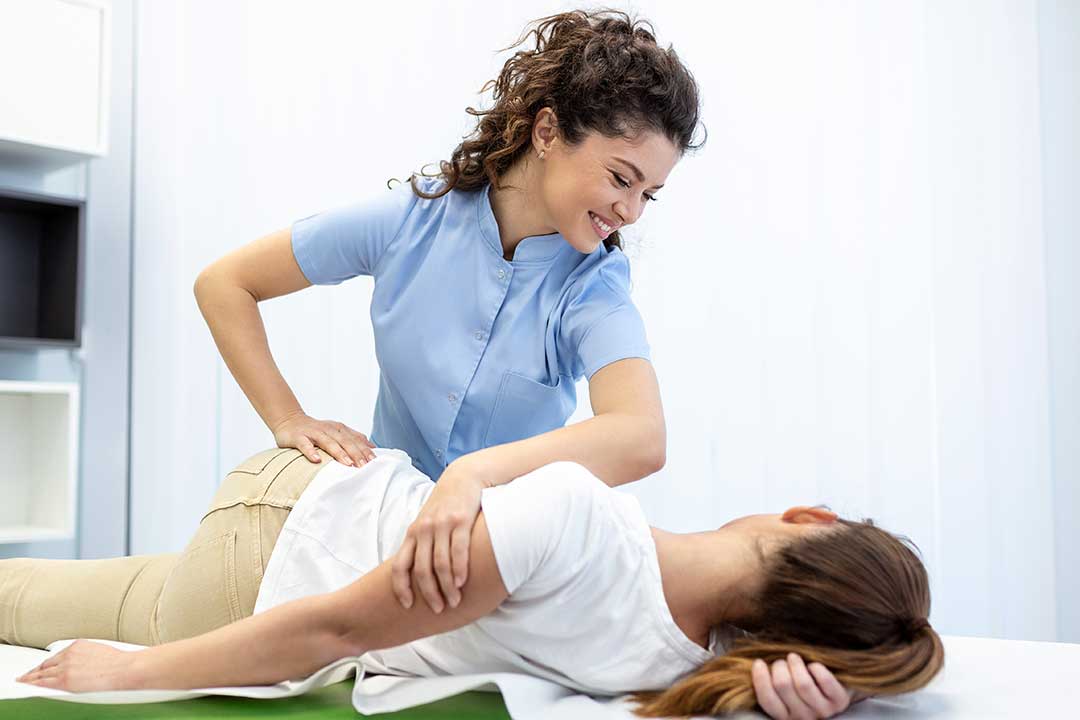
Occasional natural popping during ordinary movement is different from repeatedly twisting or pulling the neck to create a crack. Forceful self-manipulation is not a reliable way to correct posture or “put” the neck back into alignment.
If the neck feels as though it must be cracked repeatedly for relief, that pattern may point to stiffness, muscle tension, a movement habit or another underlying issue. Painful cracking, increasing frequency or a sense of instability are reasons to stop forcing the movement and seek an appropriate clinical evaluation. ([health.clevelandclinic.org](https://health.clevelandclinic.org/is-it-safe-to-crack-your-neck?utm_source=openai))
When does neck clicking need medical attention?
Prompt evaluation is appropriate when clicking occurs with:
- Persistent or worsening neck pain
- Pain extending into an arm or leg
- Numbness, tingling or weakness
- Loss of balance, coordination or hand control
- A significant reduction in neck movement
- Severe headache, dizziness, nausea or vomiting
- Fever, unexplained weight loss or feeling seriously unwell
- Symptoms that began after a fall, collision, diving incident or other injury
Severe neck pain after an accident should be treated as an emergency. New weakness, loss of coordination, significant numbness or loss of bowel or bladder control also requires urgent medical attention. ([mayoclinic.org](https://www.mayoclinic.org/diseases-conditions/neck-pain/symptoms-causes/syc-20375581?utm_source=openai))
A sudden severe headache, dizziness, difficulty speaking, facial drooping or trouble walking after forceful neck movement is also an emergency because these symptoms can indicate a serious neurological or blood-vessel problem.
How is the cause evaluated?
An evaluation typically considers when the clicking started, which movements trigger it, whether there was an injury, and whether symptoms travel into the shoulders or arms. A clinician may assess neck motion, muscle tenderness, strength, sensation, reflexes and coordination.
Imaging is not always needed for painless, occasional clicking. It may be considered when symptoms persist, follow trauma, or suggest joint, disc, nerve or bone involvement. The appropriate next step depends on the complete symptom pattern rather than the sound alone.
For many people, the practical focus is reducing prolonged static posture, maintaining comfortable movement and avoiding forceful neck cracking. If clicking changes suddenly or appears with pain, weakness, numbness or other warning signs, the accompanying symptoms—not the noise by itself—should guide the urgency of care.
