
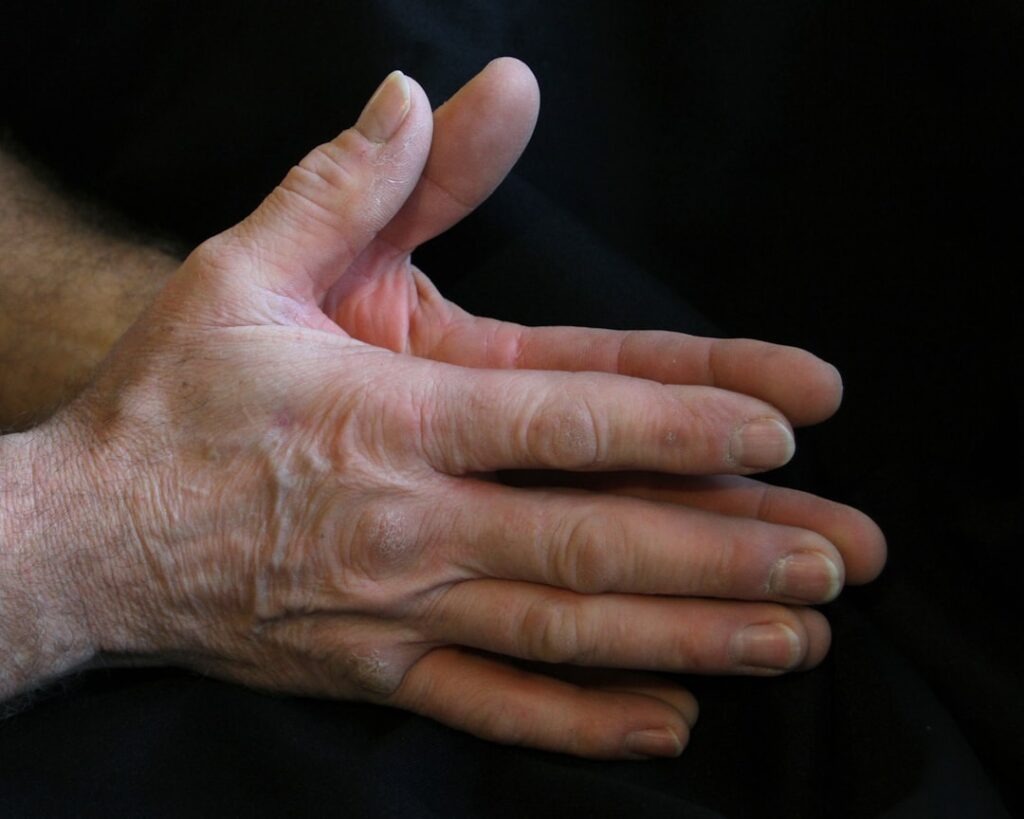
Modern life in Garden City, New York is wonderfully fast-paced, filled with bustling cafes on Franklin Avenue, vibrant social media communities, and a strong sense of connection both online and offline. However, with increased reliance on smartphones comes an emerging health concern: texting thumb, also known as “de Quervain’s tenosynovitis.” Many locals find this thumb pain gradually interferes with everything from replying to work emails to capturing images during a stroll in beautiful Roosevelt Field Mall. As a chiropractor serving Garden City, I’ve compiled practical tips to prevent and manage texting thumb—helping our community stay active and comfortable.
What is Texting Thumb?
Texting thumb is a repetitive strain injury involving pain, stiffness, or swelling in the thumb or wrist, often caused by frequent texting or mobile device use. The tendons in the thumb become inflamed due to repetitive motion, making simple actions like gripping, texting, or even holding a cup of coffee at a local café increasingly uncomfortable.
Signs and Symptoms
Residents of Garden City who spend hours scrolling through Instagram, messaging friends, or managing work from their phones may notice:
- Persistent or sharp pain at the base of the thumb
- Stiffness or loss of movement in the thumb or wrist
- Swelling near the base of the thumb
- A clicking sensation when moving the thumb
If you experience these symptoms, especially if your daily commute on the Long Island Rail Road involves a lot of phone time, you’re not alone.
Why Garden City Residents Are at Risk
Our community values staying in touch—whether parents check in with kids after school, professionals handle emails on the go, or friends use group texts to plan gatherings at local eateries. Unfortunately, the convenience of technology can add up, leading to repetitive thumb strain.
Practical Tips for Managing Texting Thumb
1. Adjust Your Device Habits
- Alternate Hands: Switch texting hands regularly to distribute the strain, especially during long messages.
- Use Voice-to-Text: Take advantage of smartphone voice commands when writing messages or emails.
- Limit Mobile Device Use: Set screen time reminders—perhaps after strolling through Garden City parks—to give your hands a break.
2. Change Your Grip
- Hold Your Phone Differently: Use both hands and all fingers to type rather than one thumb. Try holding your phone in your palm and using your index finger to tap.
- Use a PopSocket or Phone Grip: These devices make it easier to hold larger smartphones without excessive thumb strain—perfect for snapping Garden City sunsets.
3. Incorporate Thumb and Wrist Stretches
Regular stretching can relieve discomfort and build strength to prevent future pain.
- _Thumb Extension Stretch_: Place your hand palm-up on a table. Use your opposite hand to gently pull your thumb back until you feel a stretch, holding for 10-15 seconds.
- _Tendon Gliding Exercises_: Move your thumb in all directions (up, down, side to side, making circles). Cycle through these stretches during a break at the Garden City Public Library.
- _Wrist Flexor Stretch_: Extend your arm, palm up, and gently pull your fingers back with your other hand to stretch your wrist and forearm.

4. Apply Ice or Heat
If you notice swelling after a busy texting day, apply a cold pack wrapped in a cloth to the base of your thumb for 10-15 minutes. For chronic stiffness, a warm compress can relax muscles and improve circulation—ideal for chilly Garden City winters!
5. Take Regular Breaks
Implement the “20-20-20” rule: for every 20 minutes of screen use, take a 20-second break to rest your hands and focus your eyes on something 20 feet away. It’s a good excuse to enjoy the beautiful landscaping or local shops Garden City is known for.
6. Use Supportive Devices
Wearing a thumb brace during periods of high use (like while working remotely from a Garden City coffee shop) can reduce movement and allow for healing. Choose braces that don’t restrict your overall function but still provide stability.
When to Seek Professional Help
If thumb pain persists beyond a few weeks, or if everyday activities such as opening doors, cooking, or morning walks become difficult, it may be time to consult a healthcare provider. Garden City residents can benefit from specialized chiropractic care, physical therapy, or, in rare cases, referral to an orthopedic specialist.
How Chiropractors Support Texting Thumb Recovery
Chiropractors in Garden City can offer targeted therapies, including:
- Soft tissue techniques to reduce tendon inflammation
- Joint mobilizations to improve thumb and wrist range of motion
- Tailored exercise plans to restore strength and function
- Ergonomic guidance to ensure proper phone and device use
Preventing Texting Thumb for a Healthier Garden City Lifestyle
Preventive care is key to thriving in our tech-savvy community. Prioritize in-person connections; try planning local outings in Garden City’s parks or recreation centers instead of long text threads. Encourage your family and friends to use less phone-based communication and more hands-on activities.
Conclusion
Texting thumb may be a modern problem, but with a few mindful changes tailored to our Garden City lifestyle, you can prevent discomfort and maintain your active routine. If pain continues, reach out to a local healthcare professional for personalized support. Your hands deserve the best care as you stay connected and enjoy all that Garden City, New York has to offer.
