
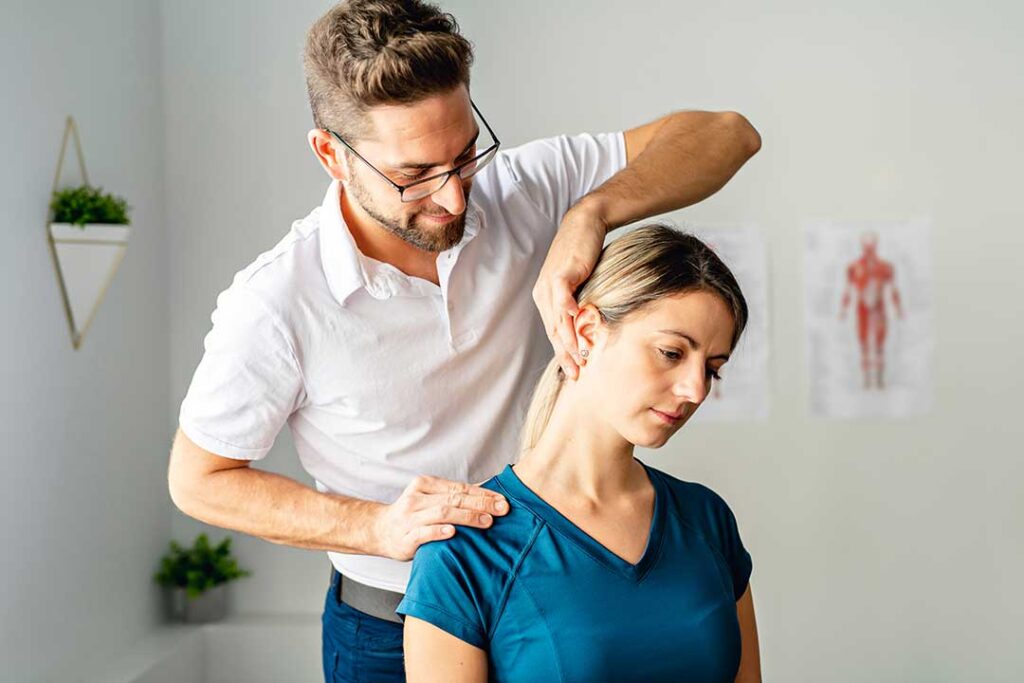
Living in Garden City, NY, means enjoying the vibrant local community, picturesque tree-lined streets, and a wealth of recreational activities—from the beautiful parks to the various fitness centers and golf courses. However, with active lifestyles and the daily stressors of suburban and professional life, muscle pain and tension can often disrupt our routines. A common but sometimes misunderstood source of chronic muscle pain is the development of trigger points. Understanding what trigger points are, how they develop, and how to manage them is the first step toward lasting relief and a return to Garden City active living.
What Are Trigger Points?
Trigger points are hyperirritable spots found in tight bands of skeletal muscle. These sensitive areas—often referred to as “muscle knots”—can cause local pain and may even radiate discomfort to other areas of the body (a phenomenon known as referred pain). Unlike acute injuries, trigger points develop gradually, frequently as a result of repetitive use, poor posture, stress, or inactivity.
Common Causes of Trigger Points in Garden City Residents
Many Garden City locals juggle busy work schedules, long commutes to New York City, and family responsibilities. This lifestyle can contribute to several risk factors for developing muscle pain, including:
- Prolonged Sitting: Desk jobs or long drives on the Meadowbrook or Northern State Parkway can tighten back, shoulder, and neck muscles.
- Repetitive Motions: Golfing at Garden City Country Club, tennis at local courts, or regular workouts can sometimes lead to overuse of specific muscle groups.
- Stress and Tension: The fast pace of suburban life and commuting can cause people to unconsciously tense their muscles, especially in the neck and shoulders.
- Poor Ergonomics: Working from home or at the office without proper desk setups can strain postural muscles.
Symptoms and How to Identify Trigger Points
Unlike sharp pain caused by injuries like sprains or fractures, trigger points often manifest as:
- Deep, aching pain in a specific muscle area
- Reduced range of motion or flexibility in the affected muscle
- Local tenderness or a hard lump within a muscle
- Pain that radiates to other areas (for example, a trigger point in the neck referring pain to the head or arm)
- Muscle weakness or fatigue
To identify a trigger point, gently press on the muscle where you feel pain. If you experience localized tenderness, a taut band, or pain that travels to another area, you may be dealing with a trigger point.
How Chiropractic Care Addresses Trigger Points
As a trusted chiropractic provider in Garden City, addressing trigger points is central to helping patients regain comfort and mobility. Here’s how chiropractic care can help:
- Manual Therapy: Chiropractors use various hands-on techniques to soften, knead, and stretch tight muscles, helping to release knots and restore function.
- Trigger Point Therapy: Focused pressure is applied directly to the trigger point to reduce pain and muscle tightness.
- Adjustments: Misalignments in the spine or joints can contribute to muscle tension. Gentle chiropractic adjustments can relieve stress on affected muscles.
- Exercise and Stretching Guidance: Targeted, progressive exercises help strengthen weak muscles and stretch tight areas, addressing both the symptoms and root causes.
- Ergonomic Advice: Chiropractors can suggest modifications to your workspace, sleep posture, and daily habits to minimize the risk of chronic trigger points.
Tips for Managing and Preventing Trigger Points at Home
While professional care is often a key component of relief, many self-care strategies can support your progress between appointments:

- Regular Stretching: Incorporate daily gentle stretching, especially if you spend hours sitting or standing.
- Hydration: Drink enough water throughout the day to keep muscles supple.
- Frequent Breaks: Stand up and move around every 30-60 minutes, especially during long periods of desk work or commuting.
- Foam Rolling & Self-Massage: Use a foam roller or massage ball to gently work out knots, focusing on the affected muscle group.
- Stress Management: Yoga, meditation, and breathing techniques practiced in many Garden City studios can reduce muscle tension associated with stress.
- Proper Warm-Ups: Always warm up before engaging in physical activities like golf, tennis, or jogging in local parks.
- Check Your Ergonomics: Make sure your desk, chair, and computer monitor are set up to support a neutral posture.
When to See a Professional for Muscle Pain
While mild discomfort often resolves with self-care, persistent muscle pain or knots that do not improve may need evaluation from a healthcare provider. If your pain:
- Lasts longer than a few weeks
- Interferes with daily activities or sleep
- Is accompanied by numbness, tingling, or weakness
- Emerges suddenly and is severe
A professional assessment ensures you receive the right diagnosis and care, ruling out underlying issues that may require specialized treatment.
Embracing an Active, Pain-Free Life in Garden City
Trigger points and muscle pain don’t have to keep you from enjoying all that Garden City offers—from community events at the Recreation and Parks Department to family outings at Eisenhower Park. By understanding what trigger points are, recognizing your unique risk factors, and embracing both self-care and expert guidance, it’s possible to reclaim comfort and move with confidence.
If you’re unsure about your muscle pain or want a tailored recovery plan, consulting with a trusted chiropractor in Garden City can provide clarity and relief. Your body—and your Garden City lifestyle—deserves it.
