
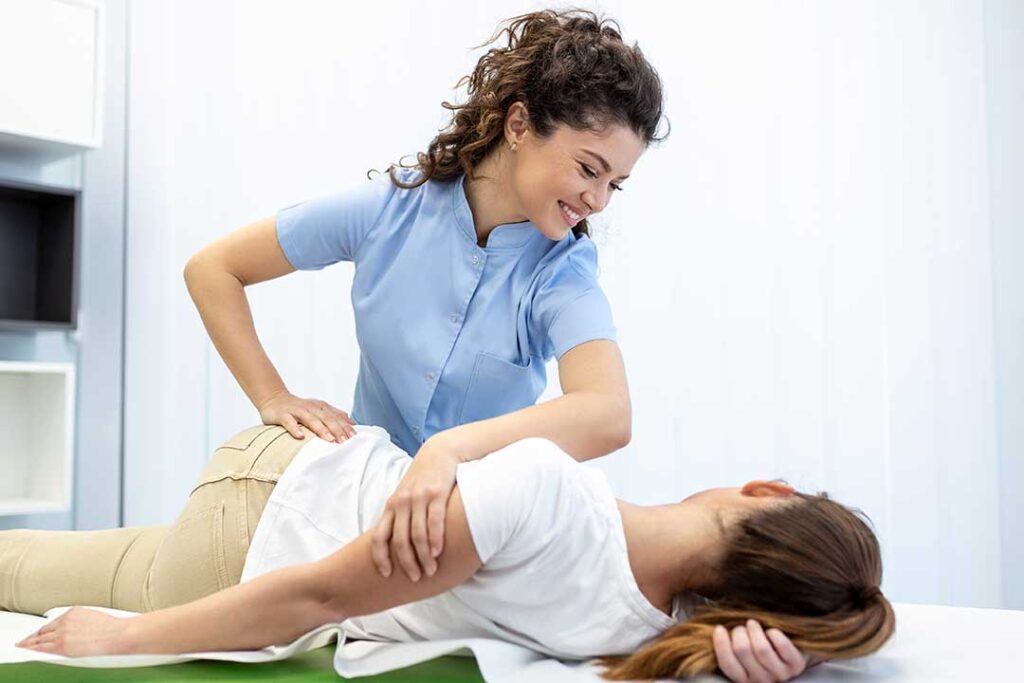
What Are Natural Approaches for Improving Mobility?
Natural approaches to mobility focus on supporting the body's ability to move comfortably and efficiently, without relying on medications or invasive procedures. These strategies are especially relevant for individuals who want to maintain activity and independence as they age, recover from minor injuries, or prevent stiffness in the changing Garden City climate.
The primary goal is to encourage healthy muscles, joints, and movement patterns by tapping into daily habits, simple exercises, and supportive home environments rather than quick fixes.
How Does Exercise Support Better Movement?
Regular movement is the foundation of joint health and flexibility. Even small amounts of daily, intentional activity can offer significant benefits, regardless of age or fitness level.
For Garden City residents, practical exercises include:
- Gentle walking in local parks or along neighborhood sidewalks, which supports hip, knee, and ankle mobility.
- Basic stretching routines after waking up or before bed to reduce morning stiffness or nighttime tightness.
- Chair exercises or easy yoga routines, which require little space and can be done indoors during cold winters or rainy seasons.
Exercise improves circulation, which is essential for healing and nutrient delivery to muscles and joints. Over time, these habits can help prevent common issues like back pain and reduced range of motion.
Can Daily Routines Impact Joint Stiffness and Flexibility?
Yes, daily habits directly influence how mobile and limber people feel. Simple changes to daily routines often make a greater difference than they expect.
For example:
- Alternating between sitting and standing while working or relaxing at home relieves pressure on the lower back and hips.
- Using supportive shoes with good grip is especially useful in icy or wet seasons, helping prevent slips and reducing joint stress.
- Taking regular breaks while gardening, doing household chores, or working on computers can prevent overuse and muscle tension.
Some residents discover that small routines—like a five-minute warm-up before heading outdoors in the winter—help keep joints more comfortable.
What Role Does Nutrition Play in Movement Health?
Nutritional habits can influence inflammation and tissue recovery, both important for healthy mobility. While supplements are sometimes advertised for joint health, most local families benefit most from balanced meals rich in:
- Leafy greens and colorful vegetables, which provide antioxidants to help manage inflammation.
- Omega-3 sources such as fish, walnuts, or flaxseed, which support joint lubrication and help manage swelling.
- Staying hydrated with water throughout the day, particularly during hot, humid summers or after exercise.
Residents managing weight also discover that gradual changes in eating patterns can significantly reduce pressure on knees, hips, and feet.
Are There Ways to Support Mobility During Seasonal Changes?
Seasonal factors in Garden City—such as colder winters and humid summers—often affect joint comfort and overall activity levels. Residents commonly report more stiffness during colder months and greater fatigue during summer heat.
Adapting routines may help:
- Warming up indoors before going outside in the winter loosens muscles.
- Staying active indoors with routines like light stretching, gentle movement classes, or active housework on cold or wet days.
- Dressing in layers and staying hydrated during humid summer activities can prevent overheating, which sometimes worsens fatigue and stiffness.
Walking routes or community centers may also offer sheltered spots for activity during harsh weather periods, making it easier to maintain regular movement.
What Are Common Misconceptions About Improving Mobility?
Many people believe that only intense exercise or expensive therapies can improve flexibility and movement. In reality, gentle, consistent habits often yield better long-term results for most individuals.
Some other misconceptions include:
- Believing that rest alone will solve stiffness—prolonged inactivity often worsens joint tightness.
- Thinking mobility declines are an inevitable part of aging—while change is natural, most people can slow or reverse loss of movement with practical steps.
- Overlooking the cumulative effects of minor daily postures, such as slouching on the couch or carrying heavy bags on one side.
Residents are often surprised by how much posture, hydration, and routine stretching play a role.
What At-Home Strategies Can Residents Use Safely?
There are several safe, practical steps residents can start with at home:
- Setting reminders to stand up or stretch every 30–60 minutes during sedentary activities.
- Practicing simple range-of-motion exercises for shoulders, neck, hips, and ankles.
- Using foam rollers or tennis balls to massage sore areas gently (unless there is an injury, unexplained pain, or swelling).
- Adjusting computer and TV screen heights to encourage upright posture and reduce neck and back strain.
It’s best to start with gentle routines and pay attention to how the body responds, adjusting habits to avoid discomfort.
When Should Someone Seek Medical Guidance for Mobility Issues?
In most cases, mild to moderate mobility problems improve gradually with self-care. However, certain scenarios require qualified medical guidance, such as:
- Sudden or severe pain that limits movement
- Inability to put weight on a limb
- Numbness, weakness, or loss of coordination
- Redness, swelling, or warmth in a joint that doesn’t improve with rest
If these symptoms occur, it’s safest to consult with a healthcare provider, as they may point to underlying conditions needing attention.
